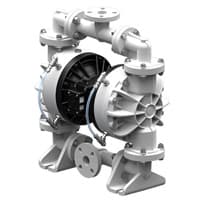
SANDPIPER Pump Nomenclature

    UNDERSTAND YOUR PUMP MODEL NUMBER

    Quickly identify your pump’s exact configuration to support selection, service, and replacement

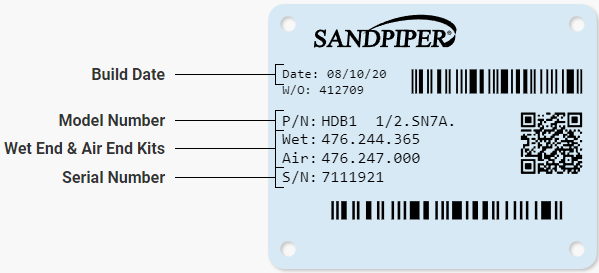
    Understanding your air-operated double-diaphragm pump starts with the model number.

    SANDPIPER pump nomenclature is a standardized system that defines exactly how a pump is built, including size, materials, valve type, porting, and configuration details. Every character has meaning, allowing you to quickly and accurately identify your pump.

    Instead of relying on general product descriptions, model numbers provide a precise, universal way to specify pumps, streamline communication, and ensure the right parts and support are aligned with your application.

    As SANDPIPER product lines have evolved, so has nomenclature. Today, three generations of nomenclature are used across SANDPIPER pump families. Each is designed to clearly define performance, materials, and configuration.

    Want a deeper dive into how nomenclature works and why it matters? Read the full guide.

    SANDPIPER Nomenclature by Generation

    Generation 1

    Built for demanding applications with solids and harsh conditions

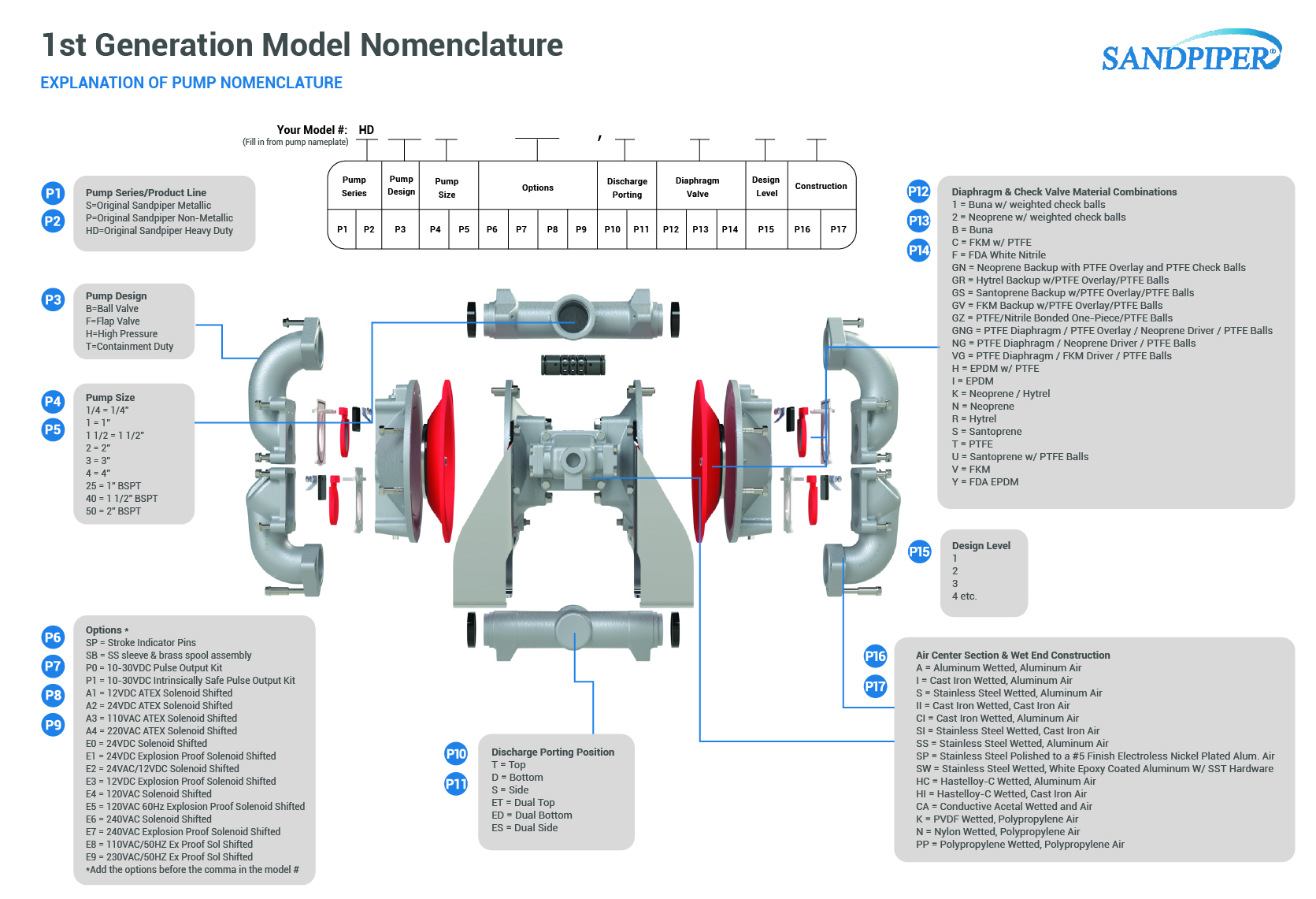
    Generation 1 is the original SANDPIPER model number structure, still used for select Heavy-Duty Metallic pump lines designed to handle fluids with settling, suspended, or floating solids.

    What the model number defines:

    • Pump series and design
    • Pump size (e.g., 1 ½)
    • Discharge porting position
    • Wetted materials (aluminum, cast iron, stainless steel)
    • Diaphragm and check valve materials
    • Design level and construction

    How to interpret it:
    Each part of the model number maps to a core pump component. This gives you a clear view of how the pump is built at a glance.

    Why it matters:
    Quickly confirm materials, elastomers, and porting before opening a service manual. This helps streamline maintenance, replacement, and troubleshooting. 

    1st Generation Model Nomenclature

    Generation 2

    VERSATILE CONFIGURATIONS FOR GENERAL INDUSTRIAL APPLICATIONS

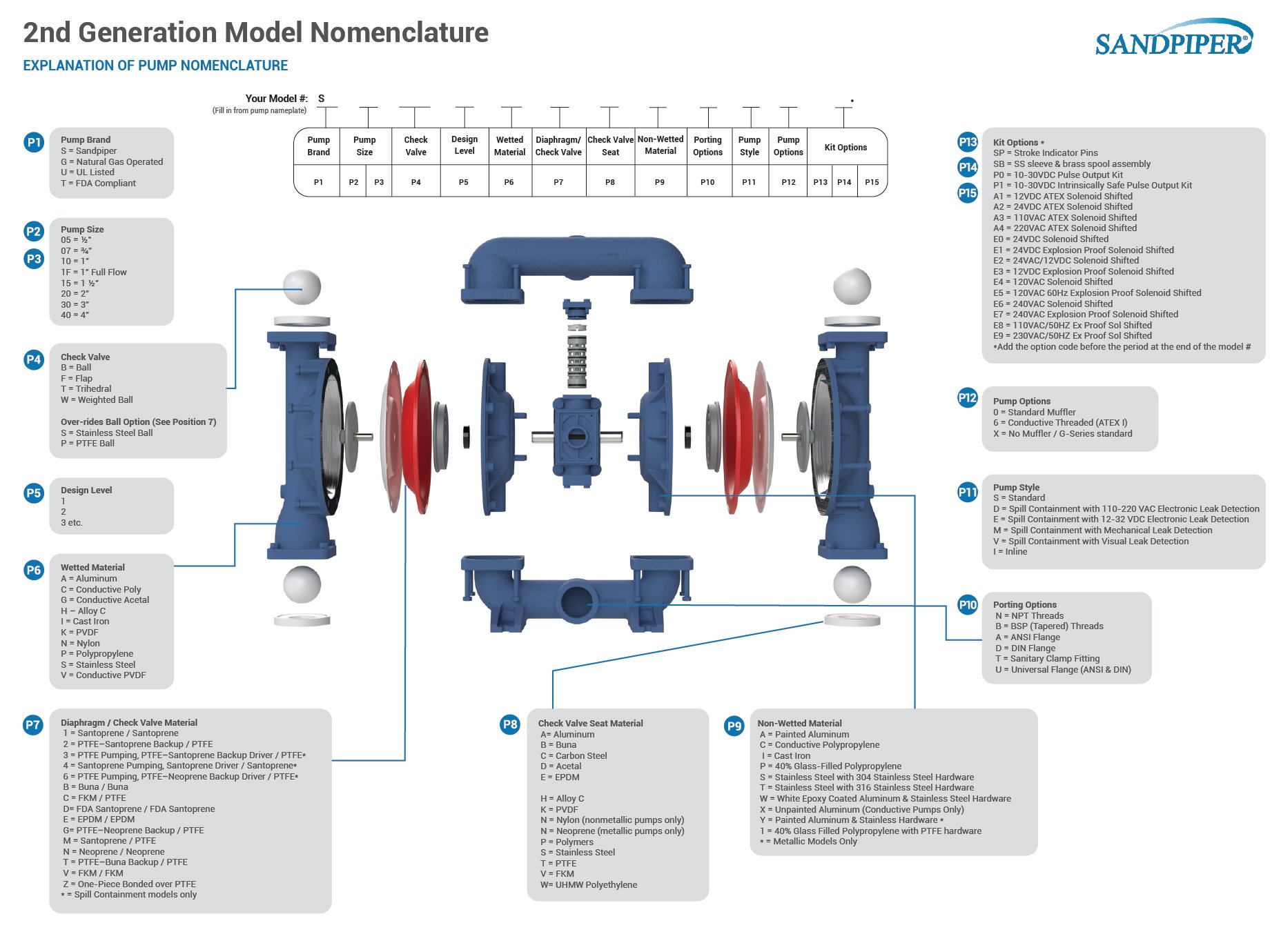
    Generation 2 nomenclature was introduced for standard duty air-operated double-diaphragm pumps, including Non-Metallic Ball Valve designs used across a wide range of industries.

    What the model number defines:

    • SANDPIPER brand identifier and pump size
    • Check valve type and design level
    • Wetted materials (e.g., polypropylene, PVDF)
    • Diaphragm and check valve materials
    • Porting options (NPT or BSP, center or inline)
    • Pump style and available kits

    How to interpret it:
    The model number layers configuration details. This allows you to compare options like materials, porting, and conductivity within the same platform.

    Why it matters:
    Identify the exact configuration you need, from porting type to elastomers. This helps you confidently select, replace, or standardize pumps across applications.

    2nd Generation Model Nomenclature

    Generation 3

    ADVANCED FEATURES FOR CONTAINMENT AND SAFETY-CRITICAL APPLICATIONS

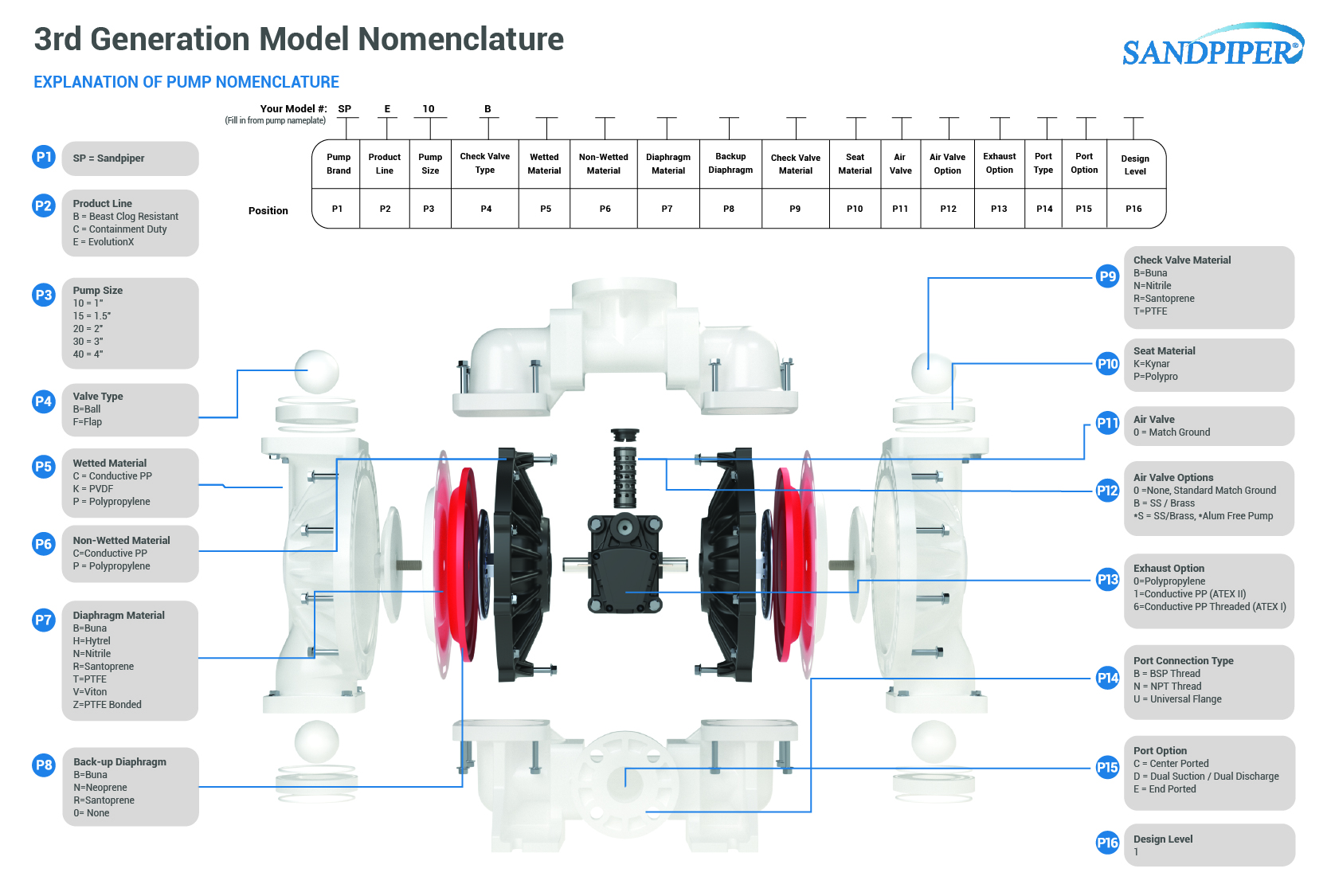
    Generation 3 nomenclature was introduced as SANDPIPER expanded into new platforms with added features and configurations, including pumps designed for containment and leak detection.

    What the model number defines:

    • Pump size and check valve type
    • Design level and platform
    • Wetted materials
    • Diaphragm and check valve combinations
    • Valve seat materials
    • Porting style (ANSI or DIN flanges)
    • Containment housings and leak detection options

    How to interpret it:
    The model number captures both external configuration and integrated features. This includes containment and monitoring capabilities.

    Why it matters:
    Ensure critical features like containment, flange standards, and leak detection are correctly specified. This helps reduce risk in safety-critical and environmentally sensitive applications.

    3rd Generation Model Nomenclature

    Need help identifying your pump?


    Share your model number with a SANDPIPER distributor to identify your pump, parts, or replacement.

    Change Consent Preferences